



A carpet can look clean but still smell like a pet accident happened recently. Sometimes the odor disappears after cleaning, only to return during humid weather or when a room has been closed for several hours.
The problem may not be the carpet surface at all.
Pet urine can pass through carpet fibers and reach the backing, padding, or flooring underneath. Once that happens, ordinary surface cleaning may improve the appearance without eliminating the source of the smell.
At Feet Up Carpet Cleaning of Davie, we recognize that effective pet odor treatment begins with understanding where contamination is located and which materials can be cleaned safely.

When urine enters carpet, some liquid may remain in the fibers while the rest moves into deeper layers. As the area dries, urine-related residues can remain behind.
These residues may produce persistent odors, especially when exposed to moisture.
A small visible stain does not necessarily mean the affected area is small. Liquid can spread through carpet backing and absorbent padding beyond the original spot.
A quick layer-by-layer comparison can help set the next step:
| Affected layer | Practical indicators | Likely next step |
|---|---|---|
| Carpet fibers | General pet-related soil or one recent surface-level accident | Use fiber-safe cleaning and monitor after drying |
| Padding | Odor returns after cleaning or extends beyond the visible spot | Inspect the pad; treat or replace the affected section |
| Subfloor | Repeated saturation or odor remains after the carpet and pad are lifted | Evaluate the flooring for separate treatment or repair |
Not every carpet that smells like a dog has been affected by urine.
In Davie homes, dogs moving between damp yards or screened patios and carpeted family rooms can leave behind hair, body oils, tracked-in soil, and a stale odor even when no urine accident occurred.
In those situations, thorough vacuuming and suitable professional cleaning may help remove the accumulated soil.
Urine contamination presents a different challenge because liquid can penetrate below the carpet pile.
If you're wondering how to get dog smell out of carpet, identifying the source is more useful than immediately reaching for a deodorizer.
A fragrance may temporarily cover the smell, but it does not necessarily remove the material producing it.
Carpet padding is often absorbent. When urine passes through the carpet backing, the padding may retain contamination even after the visible stain has been cleaned.
Consider a dog that repeatedly urinates in the same corner. Each accident may add moisture to an area already affected by earlier incidents.
The carpet fibers might respond to treatment while the padding continues releasing odor.
That is why repeated shampooing may bring only temporary relief from dog urine odor when the padding is still affected.
Cleaning equipment primarily designed to treat carpet fibers may not adequately remove contamination from underlying materials.
When padding is extensively affected, replacing the contaminated section may be more effective than repeatedly treating the carpet above it.
Repeated or substantial accidents can sometimes affect the surface beneath the padding.
Concrete, wood, and other flooring materials react differently to moisture. Porous materials may absorb contamination and retain odors after the carpet has been lifted or cleaned.
The underlying problem then becomes a flooring issue rather than a routine carpet-cleaning task.
Moisture should also be considered separately from odor. The U.S. Environmental Protection Agency's guidance on moisture and mold explains why wet materials need prompt attention and appropriate drying.
Although that guidance does not specifically address pet urine, it reinforces the importance of investigating moisture that may remain beneath flooring.
If a persistent smell is coming from contaminated padding or subfloor materials, additional treatment or replacement may be necessary.
Many homeowners try household stain removers, carpet shampoos, powders, or deodorizing sprays before seeking professional help.
Some products may be appropriate for certain carpets when used according to their instructions. Others can leave residues or introduce more moisture without reaching the source of the odor.
This is especially relevant when trying to figure out how to get cat pee smell out of carpet.
Cat urine can leave a particularly persistent smell, but repeatedly applying scented products is unlikely to resolve contamination trapped below the fibers.
Previous treatments also matter because cleaning chemicals can interact with residues already present.
Avoid mixing products, particularly bleach with ammonia-containing cleaners. Follow the carpet manufacturer's care guidance and stop using a product if discoloration or texture changes appear.
Professional pet odor removal is most useful when the contamination is accessible and the affected carpet can tolerate the required treatment.
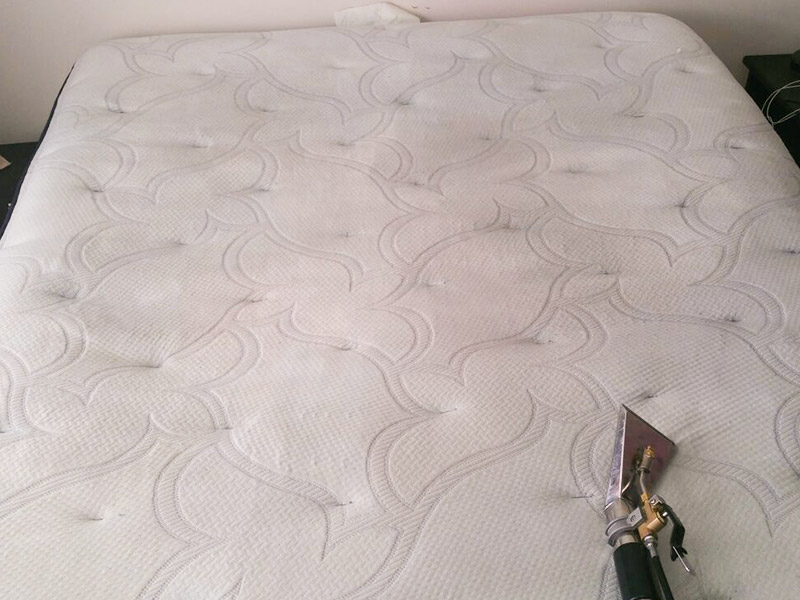
For suitable materials, hot water extraction may help remove embedded soil and certain residues. Targeted cleaning may also improve areas affected by isolated accidents.
However, ordinary extraction cannot guarantee complete pet urine odor removal, especially when the source extends into padding or flooring.
The treatment decision depends on several factors: the carpet material, size and history of the affected area, previous cleaning attempts, and whether deeper contamination is suspected.
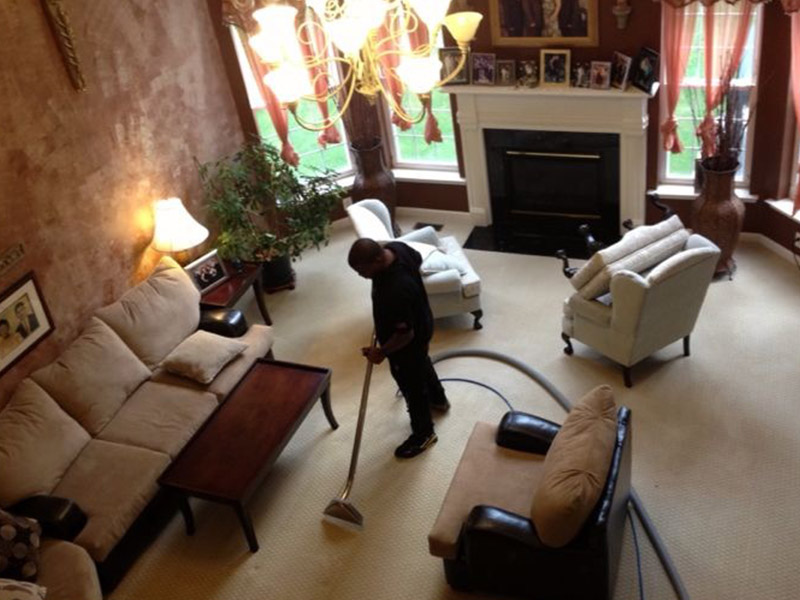
Our professional carpet cleaning in Davie includes treatment for suitable pet-related spots and odors.
Davie's humid, rainy-season conditions can make lingering pet odors more noticeable, even in air-conditioned homes.
When indoor humidity rises, odors from affected materials may become more noticeable. A carpeted bedroom, den, or guest room with a closed door and limited air movement can hold the odor longer than an open living area with steady airflow.
That does not mean humidity created the original contamination.
Instead, changing indoor conditions can reveal a problem that was already present.
If urine odor returns after cleaning, especially on humid days, note when it is strongest and let the area dry fully instead of immediately repeating the same treatment.
Prompt action can reduce the amount of liquid that penetrates carpet, although it cannot guarantee that deeper materials remain unaffected.
If a pet repeatedly uses the same location, addressing the behavior and investigating the affected flooring are just as important as cleaning the visible spot.
The odor source must be adequately removed or treated. Surface contamination may respond to suitable cleaning, while affected padding or subfloor materials may require additional work or replacement.
Possible causes include remaining pet-related soil, cleaning-product residue, incomplete drying, or urine contamination beneath the carpet. The source should be identified before repeating treatment.
It may improve or remove odors when contamination is accessible and the material is suitable for treatment. Complete removal cannot be guaranteed when urine has penetrated deeper layers.
A persistent pet smell is not always a surface-cleaning problem.
Everyday pet-related soil, isolated urine accidents, contaminated padding, and affected subfloors require different responses.
Professional carpet cleaning can help when the contamination is primarily within the carpet fibers. If it has reached the padding or subfloor, additional treatment or material replacement may be necessary.
If pet odor keeps returning in your Davie home, call Feet Up Carpet Cleaning of Davie at 954-302-7046 to discuss carpet cleaning and pet-related stain treatment.